Headaches are frequently mentioned in the early weeks. They often improve as your body gets used to the medication, but persistent ones deserve a conversation with your doctor.
8. Stomach Discomfort, Nausea, or Abdominal Pain
Some report mild stomach upset, nausea, or a general uncomfortable feeling in the belly. Eating smaller meals and avoiding lying down right after eating may help.
9. Palpitations or Awareness of Your Heartbeat
You might feel your heart pounding or skipping beats at times. This is usually related to the way blood vessels relax and is often harmless, but any new or concerning heart symptoms should be evaluated promptly.
10. Muscle or Joint Discomfort
Achy muscles or joints can appear, though they are less common. Gentle stretching, staying active within your comfort level, and ensuring good hydration sometimes ease this.
11. Gum Tenderness or Swelling
In some cases, people notice changes in their gums, such as tenderness or mild swelling. Good oral hygiene and regular dental check-ups are especially important.
12. Other Less Common Sensations
These can include temporary changes in mood, sleep patterns, or skin sensations. Everyone’s experience is unique, and what one person notices another may not.
Here’s a quick comparison of the most talked-about effects:
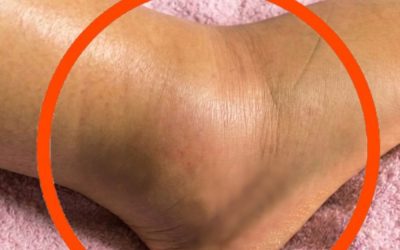
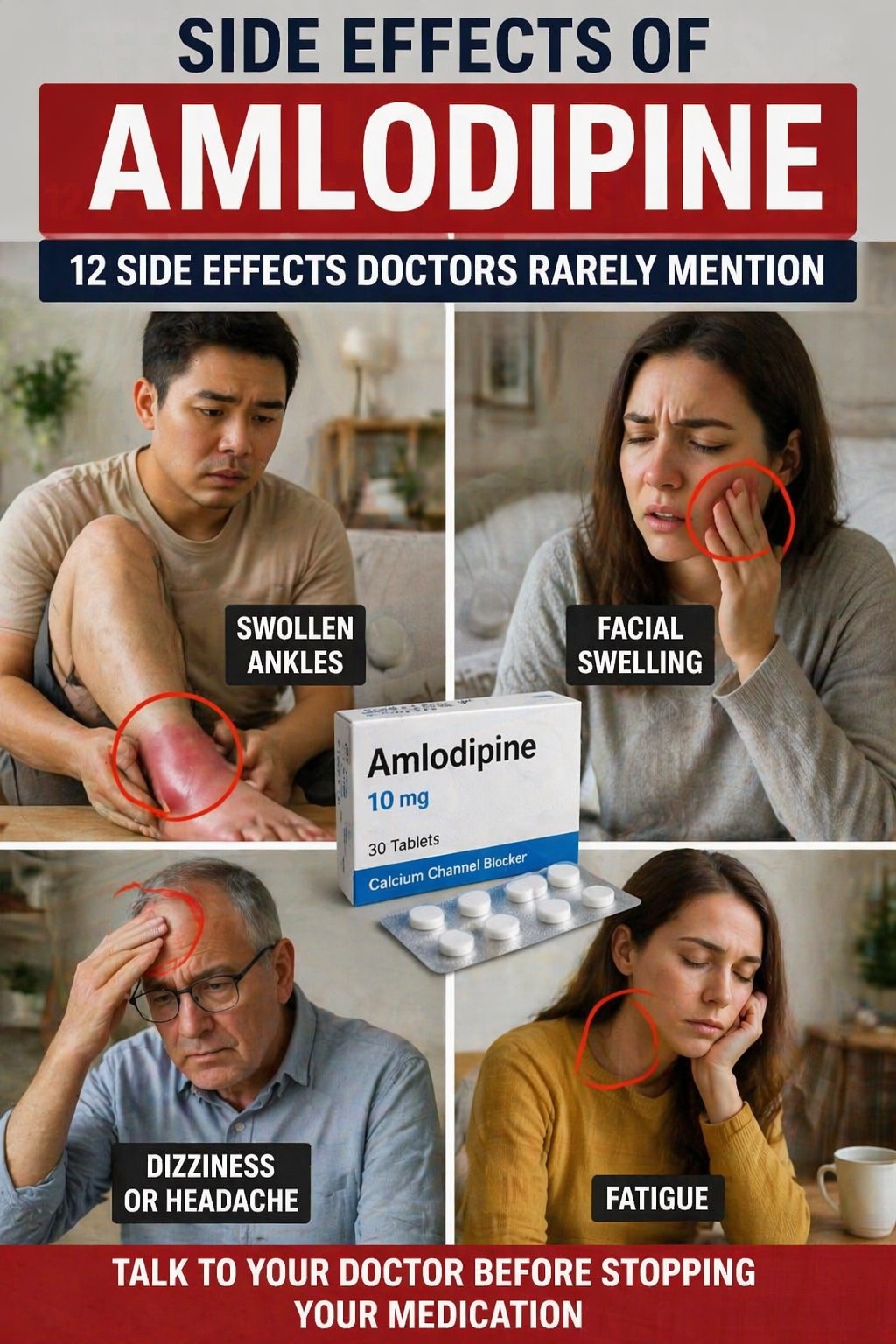
- Most common (often 10% or more at higher doses): Ankle/foot swelling, flushing, dizziness, fatigue.
- Frequently noticed but usually milder: Headache, nausea, palpitations.
- Worth monitoring closely: Any sudden facial swelling, chest pain, or severe shortness of breath.
Studies and prescribing information consistently highlight peripheral edema as the standout side effect, with incidence rising at higher doses.
Actionable Steps You Can Take Today
If you’re experiencing side effects, here are simple, doctor-approved strategies many people find helpful:
- Track your symptoms — Keep a quick daily note of when swelling or other feelings are worse. Share this with your healthcare provider at your next visit.
- Lifestyle tweaks — Limit sodium, elevate legs regularly, move around every hour if you sit a lot, and maintain a consistent sleep schedule.
- Medication timing — Some people prefer taking amlodipine in the morning or evening—ask your doctor what might work best for you.
- Dose discussion — Lower doses sometimes reduce side effects while still providing blood pressure benefits. Combination therapy (adding another agent) can also help minimize swelling in many cases.
- When to reach out — Contact your doctor right away for sudden swelling of the face/lips/tongue, difficulty breathing, chest pain, or rapid weight gain.
These steps empower you to work with your healthcare team rather than just putting up with discomfort.
What Many People Wish They Had Known Sooner
Here’s the open-loop promise from the beginning: One of the most effective ways to reduce swelling and other side effects isn’t just lifestyle changes—it’s an honest conversation about your specific experience. Your doctor may suggest adjusting the dose, switching timing, adding a complementary medication, or exploring alternatives that better fit your body. Many patients feel dramatically better after a simple tweak.
Frequently Asked Questions
Q: Will the swelling from amlodipine go away on its own?
It often improves or becomes more manageable with time, dose adjustments, or supportive habits like leg elevation and lower salt intake. However, it doesn’t disappear for everyone without changes.
Q: Is facial swelling normal with amlodipine?
While leg and ankle swelling is far more common, some people do report facial puffiness. Sudden or severe facial swelling should be checked promptly, as it could relate to other causes.
Q: Can I just stop taking amlodipine if the side effects bother me?
Never stop blood pressure medication suddenly without talking to your doctor. Abrupt changes can affect your blood pressure and heart health. Work with your provider to find the right approach.
Final Thoughts
Living with high blood pressure means balancing the benefits of medication with how it makes you feel day to day. Amlodipine helps many people protect their heart and vessels, but the side effects—like swollen ankles, facial changes, or that constant tired look—can be frustrating. The key is paying attention to your body and partnering closely with your healthcare team.
Small, consistent actions often lead to noticeable improvements. Stay informed, track what you’re experiencing, and don’t hesitate to speak up about how the medication is affecting your daily life.
Disclaimer: This article is for informational purposes only and is not a substitute for professional medical advice. Always consult your doctor or healthcare provider before making any changes to your medication or treatment plan. Individual responses to medications vary.
Don't Miss The Rest! Press Next Button Below To Continue Reading.