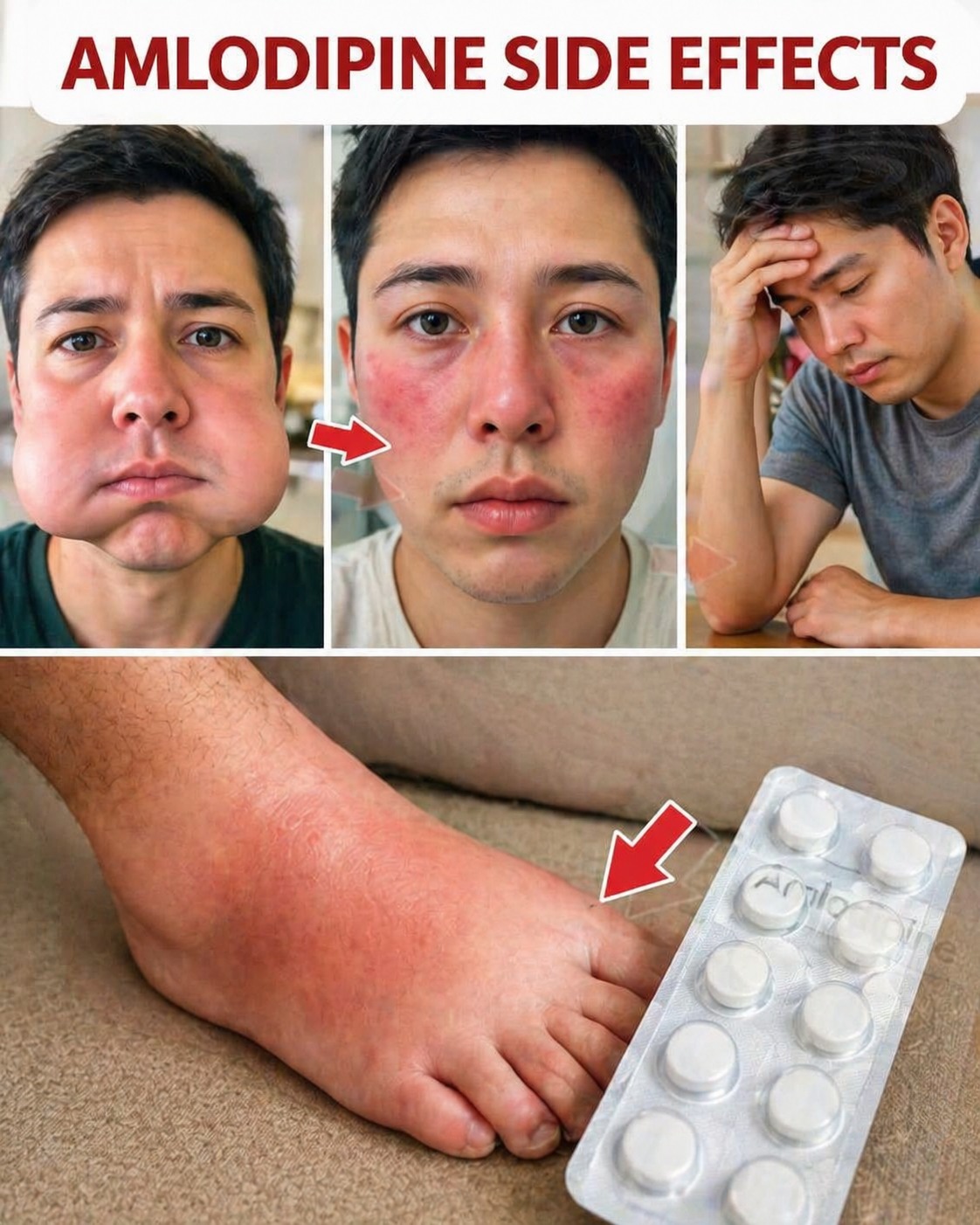
Here are some of the top side effects that show up most often:
- Swelling (Peripheral Edema): This is one of the most reported issues, especially in the ankles, feet, and sometimes legs. It happens because the medication can cause fluid to collect in the lower parts of the body. Raising your legs or reducing salt intake may help ease discomfort.
- Headaches: Many people experience mild to moderate headaches when starting treatment. Staying hydrated and resting can make them more manageable.
- Dizziness or Lightheadedness: This often occurs when changing positions quickly, like standing up from sitting. It’s linked to blood pressure changes.
- Flushing: A sudden feeling of warmth or redness in the face, neck, or chest can feel surprising but is usually temporary.
- Fatigue or Tiredness: Feeling more worn out than usual is common, especially in the beginning.
These effects are usually mild, but they can still disrupt your routine.
But that’s not the full picture. Some experiences go beyond the basics and deserve more attention.

12 Amlodipine Side Effects Worth Knowing (Including Less-Discussed Ones)
Doctors often cover the main ones, but here’s a closer look at 12 side effects drawn from clinical data and real-world reports. Not everyone will experience them, and severity varies.
- Ankle and Leg Swelling (Edema) – The standout effect for many, sometimes noticeable enough to affect shoe fit.
- Facial or Body Flushing – That warm, red sensation that can come and go.
- Dizziness, Especially When Standing – Can make daily tasks like climbing stairs feel unsteady.
- Headaches – Ranging from mild pressure to more persistent ones early on.
- Fatigue and Sleepiness – Feeling drained even after a full night’s rest.
- Heart Palpitations or Racing Heartbeat – A fluttering or pounding sensation that can be unsettling.
- Nausea or Stomach Discomfort – Mild upset that might include abdominal pain.
- Gum Swelling or Tenderness – Less commonly discussed but reported in some cases (gingival changes).
- Muscle Cramps or Joint Pain – Occasional aches that might feel new.
- Constipation or Changes in Bowel Habits – Gastrointestinal shifts some notice.
- Skin Reactions or Rash – Mild itching or redness in certain individuals.
- Shortness of Breath or Chest Tightness (in rarer cases) – Something to monitor closely.
Research, including data from sources like the Mayo Clinic and clinical reviews, shows these can occur in varying frequencies. Edema, dizziness, flushing, and palpitations are among the most dose-dependent. Serious effects are uncommon but warrant prompt medical attention.
Here’s a quick comparison to help you spot patterns:
| Side Effect | How Common (General Reports) | Typical Onset | Often Improves With |
|---|---|---|---|
| Swelling (Edema) | Very common | Within weeks | Leg elevation, salt reduction |
| Headache | Common | First 1-2 weeks | Hydration, rest |
| Dizziness | Common | Early or with position changes | Slow movements |
| Flushing | Common | Intermittent | Avoiding triggers like alcohol |
| Fatigue | Common | Ongoing or early | Time, bedtime dosing |
| Palpitations | Less common | Variable | Doctor consultation |
Keep in mind that individual responses differ based on dose, other medications, and personal factors.

Why These Side Effects Happen and When to Pay Attention
Don't Miss The Rest! Press Next Button Below To Continue Reading.