To help you weigh the options clearly, here’s a straightforward comparison:
| Aspect | Potential Upside | Important Downsides |
|---|---|---|
| Exfoliation | May remove surface dead skin cells | Can be too abrasive and cause micro-tears |
| Oil control | Temporarily absorbs excess oil | May strip natural oils, leading to dryness |
| Cost and accessibility | Inexpensive and already in most kitchens | Risks outweigh benefits for most skin types |
| pH impact | None (neutral in very diluted use) | Highly alkaline — disrupts skin’s acid mantle |
| Evidence level | Anecdotal popularity | Limited scientific support for face use |
This table shows why many skincare professionals recommend proceeding with extreme caution — or skipping facial use altogether.
How to Use Baking Soda Safely If You Decide to Try It
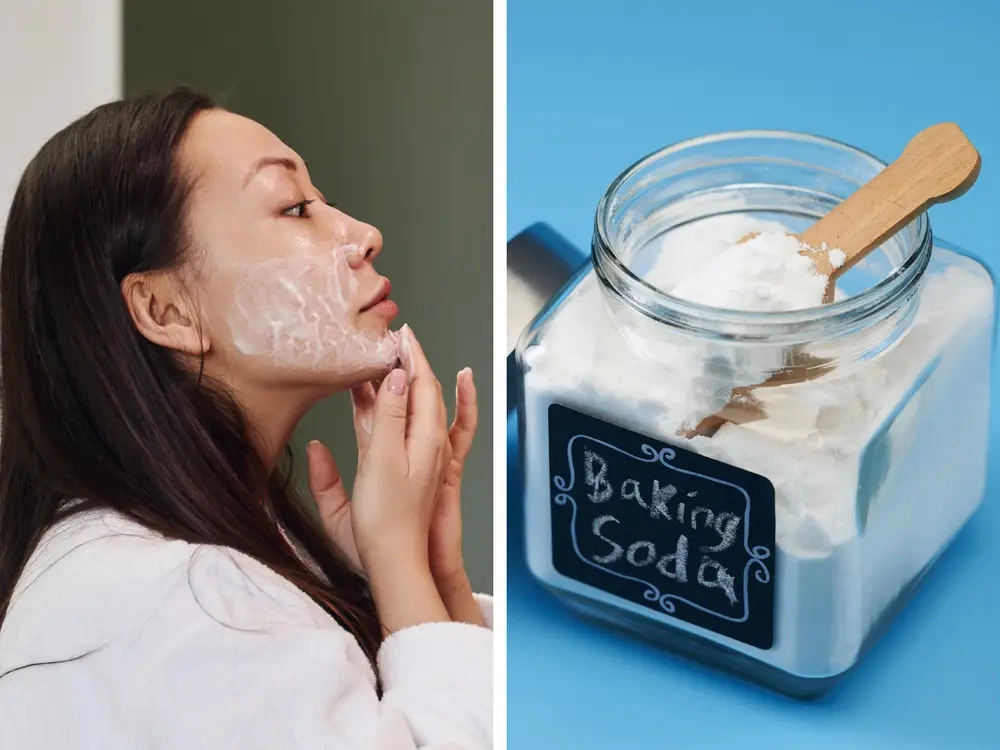
If you’re curious and your skin is not sensitive, here’s a responsible, step-by-step approach that prioritizes safety. Remember, this is not medical advice and results vary widely.
- Do a patch test first. Mix a tiny amount of baking soda with water and apply to a small area on your inner arm. Wait 24 hours to check for redness or irritation.
- Keep it extremely dilute and infrequent. Use no more than ½ teaspoon of baking soda in several tablespoons of water to create a very thin, milky consistency — never a thick scrub.
- Apply gently and briefly. Massage lightly in circular motions for no more than 30–60 seconds on damp skin, then rinse thoroughly with lukewarm water.
- Follow immediately with moisture. Apply a gentle, fragrance-free moisturizer and consider a barrier-supporting serum to help restore balance.
- Limit frequency. At most once every 1–2 weeks, and only if your skin tolerates it well. Stop immediately if you notice any discomfort.
Pro tip: Never combine baking soda with lemon, vinegar, or other acidic ingredients on the face — the pH swings can be even more disruptive.
Better Ways to Support a Brighter, Smoother Appearance
The good news? There are many dermatologist-recommended options that are gentler and more effective long-term. Focus on consistent habits like daily sunscreen, gentle cleansing, hydration, and ingredients such as niacinamide, vitamin C, or mild AHAs designed specifically for facial skin. Lifestyle factors — sleep, diet, and stress management — also play a huge role in how skin looks and feels.
Many people find that switching to evidence-based routines delivers more noticeable, lasting improvements without the risks.
Key Safety Reminders Before You Start
Always listen to your skin. If you have conditions like eczema, rosacea, or very dry or sensitive skin, baking soda is generally not recommended. Pregnant individuals or those with compromised skin barriers should consult a healthcare professional first. And remember: what works for one person may not suit another.
Frequently Asked Questions
Can baking soda really help with the look of dark circles under the eyes?
While some DIY enthusiasts try it, dermatologists note there’s little evidence it addresses the underlying causes of dark circles (such as genetics, thinning skin, or fatigue). Gentler eye creams with caffeine or peptides are usually safer choices.
Is baking soda effective for reducing the appearance of wrinkles?
Fine lines are largely structural and influenced by collagen loss, sun exposure, and aging. Baking soda’s exfoliating action offers no proven benefit here and may actually accelerate signs of aging by compromising the skin barrier.
How often is it safe to use baking soda on the face?
Most experts suggest avoiding regular facial use. If trying at all, limit to very occasional, highly diluted application and always monitor your skin’s response closely.
Final Thoughts
Baking soda remains a fascinating example of how everyday ingredients spark skincare conversations. While the idea of a simple, low-cost routine is appealing, the evidence points toward caution — especially on delicate facial skin. The best approach is one that respects your skin’s natural balance and pairs curiosity with reliable information.
By focusing on gentle, consistent care and consulting professionals when needed, you’re more likely to support the healthy, radiant skin you’re hoping for.
Disclaimer: This article is for informational purposes only and does not constitute medical advice. Individual results vary, and skincare concerns should be evaluated by a qualified dermatologist. Always perform a patch test and discontinue use if irritation occurs. Consult your healthcare provider before trying any new skincare practice, especially if you have existing skin conditions or sensitivities.
Don't Miss The Rest! Press Next Button Below To Continue Reading.