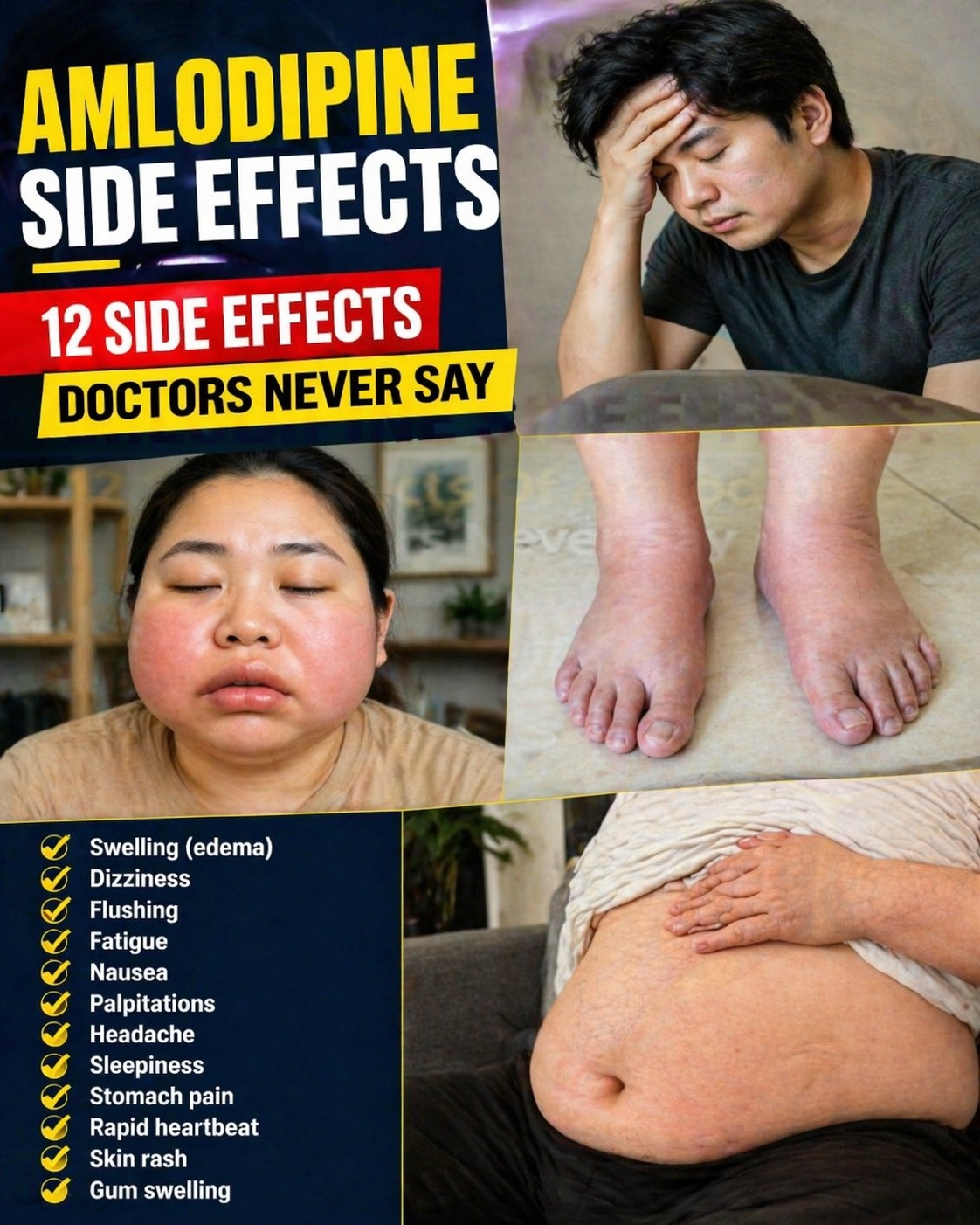
Here’s a clear breakdown of the 12 side effects people most frequently report. We’ve included why they tend to occur and how common they are based on clinical data.
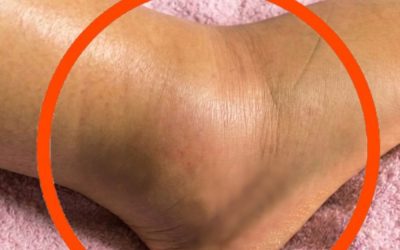
- Swelling in the ankles, feet, or legs (peripheral edema) This is the most reported effect, affecting up to 10–15% of users. The medication relaxes small blood vessels, allowing fluid to collect in the lower body.
- Headaches Many people notice headaches especially when starting treatment as blood flow changes. They are usually mild and tend to ease within a week or two.
- Dizziness or lightheadedness A drop in blood pressure can make you feel unsteady, particularly when standing up quickly.
- Flushing or warmth in the face, neck, or chest The sudden feeling of heat or redness happens because blood vessels widen quickly.
- Fatigue or unusual tiredness Some feel more tired than usual, especially in the first few weeks.
- Palpitations or feeling your heartbeat A faster or more noticeable heartbeat can occur as the body adjusts to relaxed vessels.
- Nausea or stomach discomfort Mild stomach upset or nausea is another relatively common reaction.
- Drowsiness or sleepiness Feeling sleepy during the day is reported in clinical studies and can affect daily energy levels.
- Abdominal pain Some experience general stomach aches that are usually short-lived.
- Skin rash or itching Mild skin reactions can appear but are less frequent.
- Gum swelling or tenderness Gingival changes are less common but have been noted with longer use.
- Rare effects such as facial swelling or liver-related changes Very uncommon reactions like swelling around the lips or face (angioedema) or shifts in liver enzymes can occur. These are reported in less than 1 in 10,000 cases according to safety data.
But that’s not the whole story. The majority of these effects are dose-related and often become less noticeable as your body adapts.

Why Some Side Effects Feel More Noticeable Than Others
Here’s what might surprise you: many of these reactions stem from the same mechanism that makes amlodipine effective — widening blood vessels. Research shows higher doses tend to increase the chance of edema and flushing, which is why doctors often start low and adjust slowly.
Practical Tips to Manage Side Effects of Amlodipine
You don’t have to just put up with discomfort. Here are straightforward, doctor-recommended strategies that many people use successfully:
- Elevate your legs for 15–20 minutes several times a day to help reduce swelling.
- Stay well hydrated and consider reducing salt intake to support fluid balance.
- Rise slowly from sitting or lying positions to minimize dizziness.
- Take the medication at the same time each day to keep levels steady.
- Track your symptoms in a simple notebook or phone app so you can discuss patterns with your healthcare provider.
Studies in hypertension management highlight that consistent small habits like these often improve how people feel while continuing their prescribed treatment.
When to Contact Your Doctor
Most side effects are mild, but it’s important to reach out promptly if you notice:
- Severe swelling that doesn’t improve
- Chest pain or shortness of breath
- Yellowing of the skin or eyes
- Sudden facial or lip swelling
- Very low blood pressure symptoms like fainting
Your doctor can adjust the dose, switch medications if needed, or run simple checks to keep you safe.

Don't Miss The Rest! Press Next Button Below To Continue Reading.