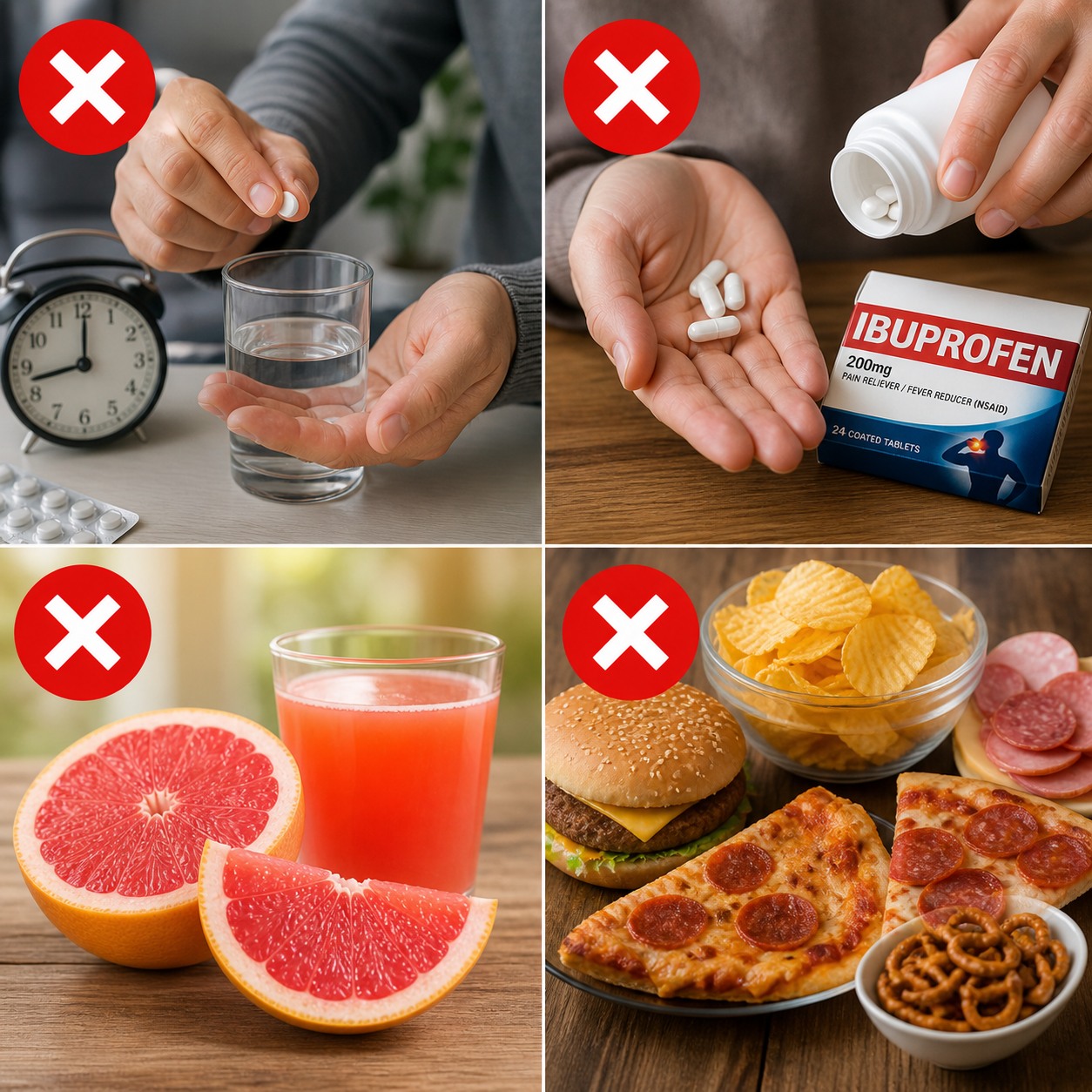
Reaching for ibuprofen or other NSAIDs for headaches, back pain, or sore joints is common. However, frequent use of these can strain the kidneys and may interfere with how well amlodipine manages blood pressure. Experts note that combining them regularly increases the chance of unwanted effects.
Actionable tip: Talk to your doctor or pharmacist about safer alternatives for occasional pain. When possible, try non-medication options like gentle stretching, heat packs, or rest.
3. Smoking Cigarettes
If you still light up, even occasionally, this habit directly works against amlodipine’s benefits. Smoking damages blood vessels and raises blood pressure, making it harder for the medication to do its job of relaxing those vessels. Quitting is one of the most powerful steps you can take for heart health.
Actionable tip: Consider nicotine replacement options or support programs. Even cutting back gradually can make a noticeable difference in how you feel.

4. Enjoying Grapefruit or Grapefruit Juice Regularly
That morning glass of grapefruit juice or occasional grapefruit in your fruit salad might seem harmless. Yet grapefruit can slow down how your body processes amlodipine, potentially raising medication levels and increasing side effects like dizziness or swelling. The NHS and other health authorities specifically advise caution with large amounts.
Actionable tip: Swap grapefruit for oranges, apples, or berries. Check labels on juices and smoothies too—many hidden sources exist.
5. Loading Up on Salty Snacks and Processed Foods
Chips, canned soups, fast food, and deli meats are easy go-to options. High sodium intake encourages your body to hold onto fluid, which can counteract amlodipine’s blood-pressure-lowering effects and leave you with higher readings than expected.
Here are common high-sodium culprits to watch for:
- Processed meats (bacon, sausage, deli slices)
- Canned soups and vegetables
- Snack foods like chips and pretzels
- Restaurant meals and takeout
- Cheese and condiments like soy sauce
Actionable tip: Aim for fresh, whole foods and read labels—choose options with less than 140 mg sodium per serving. Herbs, spices, and lemon can add flavor without the salt.
6. Using Sex-Enhancement Pills or Certain Herbal Remedies
Over-the-counter pills or supplements marketed for performance often contain ingredients that affect blood vessels or blood pressure. When combined with amlodipine, they can cause a sharper drop in blood pressure than expected, leading to dizziness or other issues.
Actionable tip: Always check with your pharmacist or doctor before trying any of these products. Open communication ensures you stay safe while addressing your concerns.
7. Taking Certain Supplements (Ginseng, Licorice, High-Caffeine Products, or St. John’s Wort) Without Checking
Many people use supplements for energy, mood, or digestion. However, ginseng, licorice root, high-dose caffeine products, and St. John’s Wort can either reduce amlodipine’s effectiveness or intensify side effects through interactions with how the body metabolizes the drug.
Actionable tip: Bring your full supplement list to your next appointment. Your pharmacist can quickly flag any potential issues and suggest safer alternatives.
8. Ignoring Ankle Swelling or Other New Symptoms
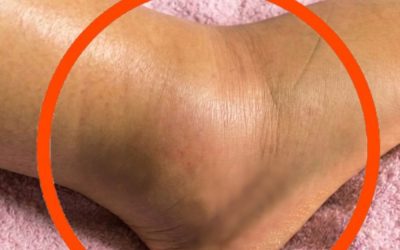
Amlodipine is known to cause peripheral edema (swelling in the ankles and feet) in some people. Brushing it off as “just part of the medication” or hoping it goes away can mean missing the chance to adjust your dose, add a simple strategy, or rule out other causes.
Actionable tip: Elevate your legs when sitting, wear compression socks if recommended, and mention any swelling at your next check-up. Early attention often leads to easy solutions.
But That’s Not All—Here’s How to Make These Changes Stick
Don't Miss The Rest! Press Next Button Below To Continue Reading.